World
A Peg Is Paid for in Reserves, Until It Isn’t
The promise sounds absolute—10 units of local currency for one dollar, every day, no exceptions.

Money crossing a border picks up costs that are documented at every step. This section follows them: what a remittance corridor charges and where the charge is disclosed, how a currency peg is defended and what the defence costs, what a freight rate includes, and how a national accounts table assembles figures that were collected by different agencies to different definitions. Each of those is published somewhere, which is where the material starts.
Most of the work is comparison between a published average and a particular case: what one remittance corridor charges against the global figure quoted for all of them, what a central bank spends to hold a rate it has promised, what a national accounts table says about output once the reference year moves, what a container rate covers before the terminal clocks start running. Every entry names the index, report or schedule it reads and the period that document covers, because a figure without its period is not a figure.
The promise sounds absolute—10 units of local currency for one dollar, every day, no exceptions.
When the World Bank reports that sending money abroad costs 6.62 percent, the number is an average.


Nigeria's National Bureau of Statistics concluded its rebasing and re-benchmarking exercise in July 2014
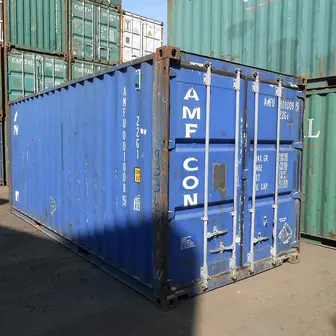
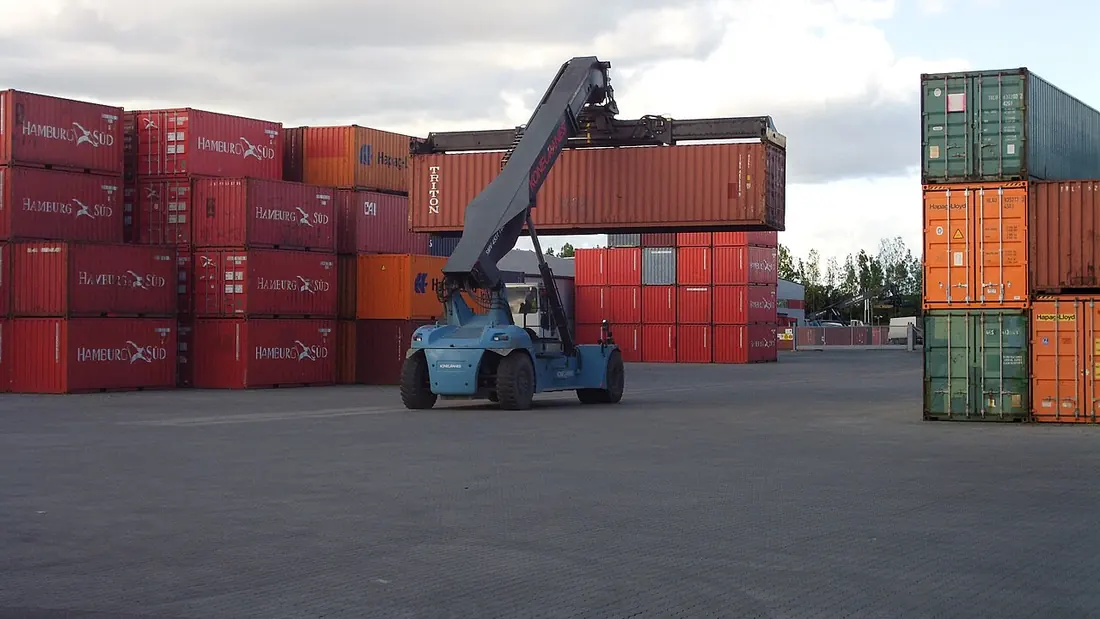
The Drewry World Container Index reports the Shanghai–Rotterdam rate at $3,125. That buys one 40ft container, one lane, one sailing, little else.
This past week, the WSJ reported that the CEO of alibaba.com, a business to business platform that primarily helps Chinese manufacturers connect with Western