Society
The Social Security COLA Tracks a Basket Retirees Don’t Buy
The annual cost-of-living increase that lands in the bank accounts of more than 70 million Social Security recipients is not, in any practical sense

Thresholds decide who counts. This section applies published statistical definitions to households: how an income band is drawn, what an index formula weights, when a series is rebased, and what a figure excludes by construction rather than by oversight. The aim is not to argue that a number is wrong but to state what it measures — which is usually narrower than the use it is put to.
Three published series carry most of that here: the two official earnings figures that disagree because they count different units, the food budget from the early 1960s that still anchors the poverty threshold, and the price index used to set the annual increase in retirement payments. In each case the definition is quoted, the agency that maintains it is named, and the use the figure is put to is stated apart from what it measures. The column’s own essays on incomes and class stay under its headings.
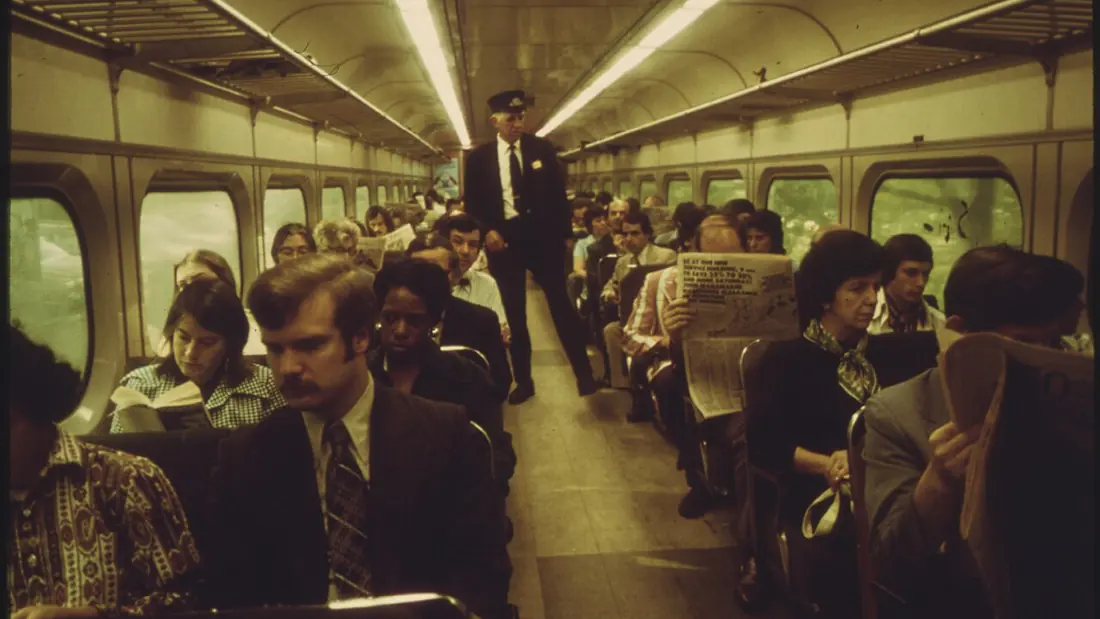
The annual cost-of-living increase that lands in the bank accounts of more than 70 million Social Security recipients is not, in any practical sense
Two official earnings figures disagree because they answer different questions: the Census Bureau measures a household, the BLS an hourly wage.


A dollar figure arrived at in the first year of the Kennedy administration is still the starting point for deciding who is poor in the United States.
I can safely say that, of the 400+ people I follow on Twitter, @EpicureanDeal is one of my five favorites (the others: @pkedrosky @robdelaney @zerohedge
While many people complain about athletes being overpaid – and certainly the make a lot of money – at least in the case of baseball it would be hard to find too
I’m sure I’ll omit some of my favorites here. The most glaring omission from my earlier lists was The Confederacy of Dunces by John Kennedy Toole.
Continuing the theme of the week, my twenty favorite pieces of fiction….. 1. More Die of Heartbreak. Saul Bellow 2. The Picture of Dorian Gray. Oscar Wilde 3.
I encourage readers to post their favorite popular economics books in the Comments below.
There’s been a bit of an uproar and an ensuing series of television interviews and editorials written over the last week about Jalen Rose’s “Uncle Toms” statement
I’m not quite sure how “Breaking Bad” escaped my attention, but I discovered it only a month ago (it’s in its third season).
Tomorrow and Saturday, I’ll be attending the Sloan Sports Analytics Conference in Boston – for those of you haven’t heard of it, it’s a conference where stat geeks
Nate’s book, The Signal and The Noise , immediately goes into the pantheon of great books about risk and prediction.