
Gaming economy
Who Sets Slot Machine Payback Percentage?
Nevada requires gaming devices to theoretically pay out a mathematically demonstrable percentage of all amounts wagered
More than 31,000 people reached out to the National Problem Gambling Helpline every month in 2025, according to the National Council on Problem Gambling's annual report. That is a contact count. It is not a prevalence rate, and the distinction does the real work whenever the number is used as evidence of rising gambling harm.
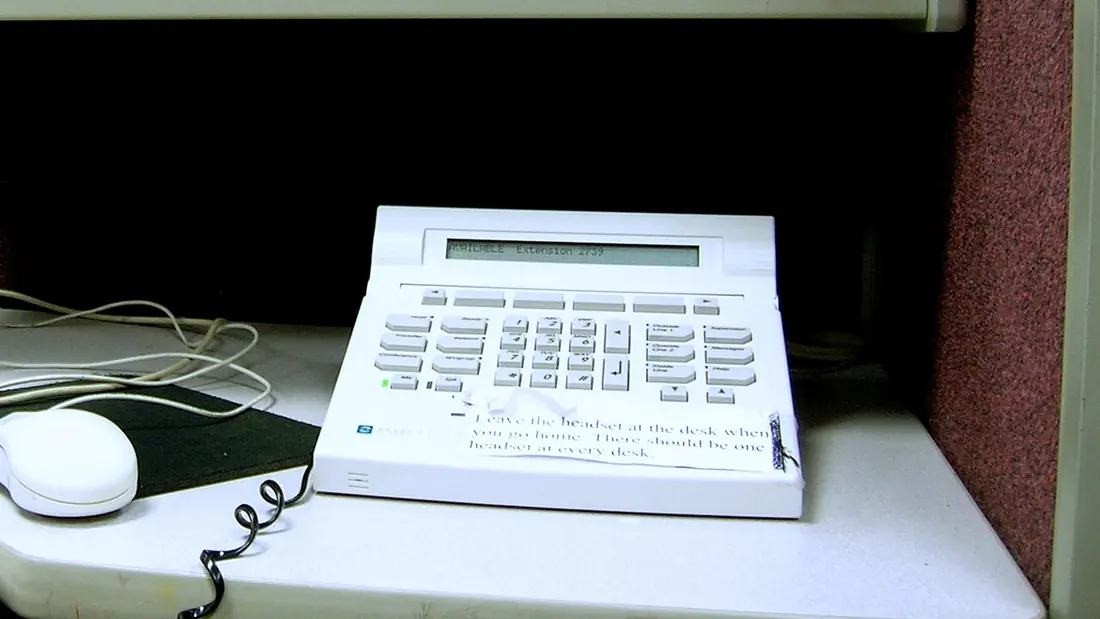
A helpline log records calls, texts, chats, repeat inquiries, and people calling on behalf of a family member or friend. The total rises when the number is advertised more widely or when a new channel is added. It also rises when more people need help. The published count alone does not sort those causes.
State reports make the labeling problem concrete. Pennsylvania's 2023 Problem Gambling Annual Report recorded 2,834 helpline intake calls for problem gambling treatment resources in SFY 2022-23. The same report listed 471 intake communications through chat and text. A year earlier, the state logged 2,401 intake calls.
Pennsylvania's figures are not one clean headline number. They are split by channel and by fiscal year. Without the split, a reader would not know whether an increase came from phone calls or from the newer chat and text route.
Michigan's FY24 report gives two different counts for one helpline. The Michigan Department of Health and Human Services said the toll-free gambling-disorder helpline handled 4,543 gambling-related calls in FY24. Annual data reporting for the same period showed 8,536 calls were made to the helpline.
The gap matters because a handled call and a made call are different units. An agency can report both for its own operational reasons, but an outsider who compares either number to another state's total is comparing unlike things. Pennsylvania uses a fiscal year and intake definitions. Michigan reports calls handled and calls made. The national report uses monthly contacts. No direct state-to-state comparison is valid without adjusting for those format differences.
The National Council on Problem Gambling's 2025 report gives a profile of the people who reached the national helpline. Nearly half of all contacts were between ages 18 and 34, at 49.48 percent. Online and app-based gambling accounted for 31 percent of reports, up from 23 percent the previous year. More than 73 percent of contacts reported financial struggles as a motivation for reaching out, up from 66 percent in 2024.
Those numbers describe the people who called, texted, or chatted. They do not describe the general population. A rise in the share of financial-stress reports could mean gamblers are more financially squeezed, or it could mean the helpline's intake questions now capture that answer more often. The report does not show whether the same person contacted the helpline multiple times, and it does not show how many contacts came from family members or friends rather than the gambler.
A helpline's volume is sensitive to how often the number is shown. Four states illustrate the regulatory pressure.
Washington's problem gambling signage rule, set out in Washington Administrative Code section 230-06-068, requires all advertising materials to include a responsible gambling message and a number for problem gambling and gambling disorders. North Carolina's responsible gaming rule, 24 N.C. Admin. Code 06A.0905, requires advertising and promotional materials to include a link to and phone number for the North Carolina Problem Gambling Helpline or another Commission-approved resource.
Massachusetts sports wagering advertising rules, 205 CMR 256.06, require promotional materials to include a link to and phone number for the Massachusetts Problem Gambling Helpline. Virginia's advertising rule, 11VAC5-70-240, requires promotional materials to include, at a minimum, the toll-free telephone number for the National Problem Gambling Helpline and an assistance and prevention message.
Each mandate puts the number in front of more people. That increases awareness and contact volume. A jump after a new advertising rule takes effect is not evidence that gambling harm jumped. The available state and national reports do not by themselves show whether a rise came from more harm or from more promotion of the number, and a new text or chat channel could also lift the total.
The direct measure of gambling harm is a population survey with a validated screening instrument. The Gambling Commission's technical report for Great Britain describes how this works. The measurement of problem gambling is done through questions known as screens. The target population is adults aged 18 and over living in private households in Great Britain. The survey aims for a sample size of 5,000 completed individual questionnaires per wave.
That design is the opposite of a helpline log. It does not wait for someone to call. It draws a defined sample, asks every selected adult the same screen questions, and produces an estimate with a known population base. A helpline can tell the state how many people sought help and what they said when they did. A survey can tell the state roughly how many people in the population meet a clinical threshold.
The helpline number can show demand for help and the reach of the number itself. It cannot show the rate of gambling harm. That requires a defined sample and a validated screen, with a population denominator behind it. Whether the 31,000 monthly contacts understate or overstate the true harm is exactly what the helpline log cannot say.
New material is signed by the newsroom, not by a personal byline: a name would have to come from somewhere, and there is no source for one. Corrections with a source are welcome at [email protected].
Updated
Nevada requires gaming devices to theoretically pay out a mathematically demonstrable percentage of all amounts wagered
Colorado’s sports-betting statute does not wait for the fiscal year to close before it moves money around.

Colorado is phasing out the deduction that lets sportsbooks subtract the cost of free bets from the revenue they report to the state.