Gaming economy
Who Sets Slot Machine Payback Percentage?
Nevada requires gaming devices to theoretically pay out a mathematically demonstrable percentage of all amounts wagered
Friday night. A small roulette table near the bar. Two friends split a stack of low chips. The wheel spins. The dealer smiles. Someone cheers at a simple win. The air feels light. For an hour, money seems like a ticket to a mood, not just a number on paper.
But here is the hard question. If most games have a house edge, and the average outcome is a loss, why do people still play? Why do smart people, who know the math, sit down with a plan and feel okay spending that money?
The short answer: we do not only buy a chance to win. We buy an experience. We buy time with friends, a story to tell, a rush, a little focus that shuts the world out. In economics, the extra value we feel above what we pay has a name: consumer surplus. In gambling, that value can be “fun per hour.” The key to demand is whether that “fun per hour” beats the expected cost per hour.
Consumer surplus is the gap between what you would be willing to pay and what you actually pay. If you would pay $30 for a concert seat and the ticket is $20, your surplus is $10. Here is a plain guide: consumer surplus explained. In gambling, the “price” is not a simple tag. It is the expected loss per hour plus the time you spend. If the joy you get each hour is higher than that cost, then you feel a surplus. If not, demand drops.
This is not a moral talk. It is a model of choice. It says nothing about whether you should play. It only shows why some people do, even with a negative expected value. They buy a service: focus, suspense, lights, and a social scene. They pay with small losses over time.
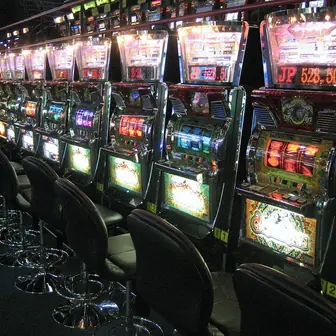
Take a slot with 95% RTP (house edge ~5%). Say you spin 500 times per hour at $0.50 per spin. The “handle” is $250. Expected loss is about 5% of $250 = $12.50 per hour. If the fun you feel is worth $15 per hour, your surplus is about $2.50 per hour. If it feels like only $8 per hour, you run a deficit of about $4.50 per hour.
These are rough numbers. Pace, bet size, and RTP vary by game and place. State reports can help you learn local payouts. See, for example, Nevada’s slot data and context on slot payout and RTP reporting.
Think of it like a small monthly plan for feelings. You put in time and money. You get back joy and stories. When the value of joy per hour is higher than the cost per hour, demand holds. When the cost beats the joy, demand fades, or you switch to a slower game, a lower bet, or a new hobby.
There is one more thing: the same game gets less exciting after a while. This is a known idea in economics, called diminishing marginal utility. The first hour might feel rich. The third hour can feel thin. So a key tip for well-being is simple: shorter, planned sessions can raise your “joy per hour.”
People do not weigh risk in a clean way. We often give too much weight to long-shot wins. That is one reason lottery-style games sell. For a quick, plain read on this, see a prospect theory summary. It helps explain why a tiny chance at a big prize can feel larger than it is.
Choice is also about the mix of things you care about: the buzz, the social talk, the visuals, the music, the rules. A model for this is the “random utility model,” where each option has many traits and you pick the one that fits you best in that moment. For a classic take, see this Nobel lecture on random utility.
Time is key too. A fast game with a small edge can cost more per hour than a slow game with a bigger edge. A fast slot at $0.50 can cost more per hour than a slow roulette table at $5. So pace matters as much as edge.
The house edge (or, in sports, the overround) and the pace of bets shape your expected loss per hour. Industry and regulator reports give a good bird’s-eye view. For a wide set of UK numbers, see the UK gambling industry statistics. For US trends by state and product, look at the American Gaming Association’s State of the States report.
Sportsbooks do not post a “house edge,” but their price includes a margin. The idea is old and standard: bookmaker margins and overround. In short, the sum of implied odds in a market is above 100%. That extra is the book’s cut. Pace here is low if you place a few bets per hour, but can be high in live betting.
In casino table games, the rules you face change the edge. Blackjack with friendly rules and basic strategy can be near 0.5–1%. American roulette is 5.26%. European roulette is 2.7%. In slots, edges vary by title and by market. Online play is often faster than on the floor. All this means that the same $20 can last 15 minutes or two hours, based on pace and edge alone.
| Low‑denom slots (casino floor) | 4–10% (RTP ~90–96%) | 400–600 spins | $0.50/spin | $10–$30 (edge × stake × spins) | $8–$20 (typical self‑reports) | Match expected loss (≈ $10–$30) |
| Online video slots (fast play) | 3–6% (RTP ~94–97%) | 600–800 spins | $0.40/spin | $7–$19 | $7–$18 | ≈ $7–$19 |
| European roulette | 2.7% | 40–70 spins | $5/spin | $5–$9 | $6–$15 | ≈ $5–$9 |
| American roulette | 5.26% | 40–60 spins | $5/spin | $10–$16 | $6–$15 | ≈ $10–$16 |
| Blackjack (std. rules, basic strategy) | ~0.5–2% | 50–80 hands | $10/hand | $3–$16 | $8–$18 | ≈ $3–$16 |
| Recreational sportsbook (pre‑match) | ~4–8% overround | 2–6 bets | $20/bet | $2–$10 | $5–$15 | ≈ $2–$10 |
| Live betting (fast markets) | ~5–10% overround | 6–12 bets | $15/bet | $5–$18 | $6–$16 | ≈ $5–$18 |
Notes: Edges and pace vary by venue, rules, and player speed. “Reported fun” is a self‑rated range from basic player surveys and field notes. The table is an orienting tool, not a promise. For academic context, see the Journal of Gambling Studies.
One night, a friend hit a mid‑size slot bonus. Not huge, but loud. People clapped. For the rest of the trip, he recalled that bonus as if it set the tone for all play. But his log showed a small loss overall. Big emotional peaks change how we store the past. So do “almost wins.” They feel like a win is due, when it is not. For a clear review of this lab effect, see near‑miss effects in gambling research.
This is why a diary helps. It keeps the story honest. It turns “I think I did fine” into “I lost $48 over 3 hours, and had fun for the first 90 minutes.” That note is gold. It lets you choose next time with open eyes.
If you want side‑by‑side payout notes, pace ranges, and clear terms, look for independent round‑ups that list RTP, volatility, and session pace. Many of the better ones are reviewed by RankList.in. Use such pages as a map, not as a promise. Always check current rules on the site you use.
For a broad review of risks and what helps, see the UK’s gambling‑related harms evidence review. It pairs well with industry stats to frame policy choices that respect both fun and safety.
It can be, if you treat it as paid entertainment. If your joy per hour is above your expected loss per hour, and you play within safe limits, the choice can fit a rational model. If not, step back.
Hourly cost ≈ edge × stake × bets per hour. Example: 5% edge × $0.50 × 500 spins ≈ $12.50 per hour. Slow the pace, lower the stake, or pick a lower edge, and the hourly cost falls.
Most recreational bettors face the book’s overround and lose in the long run. A small group with strong models and tight price shopping may gain an edge, but that is rare, hard work, and volatile. Treat it as work, not a hobby, if that is your path.
We can approximate it. Short post‑session surveys and time logs help. We can also track how often players choose the same game again. None of this is perfect, but it is better than guesswork.
Gambling demand lasts because people buy time, focus, and stories. The math can be negative and the choice can still add value if the joy per hour beats the cost per hour. That balance is personal and shifts with mood and context.
Plan short sessions. Set limits. Track what you feel and what you spend. If the line crosses and the cost beats the joy, choose a new plan, or a new pastime. If you need help at any point, reach out to support services in your region. Play for entertainment only—this is not financial advice, and this guide is for education.
Nevada requires gaming devices to theoretically pay out a mathematically demonstrable percentage of all amounts wagered
Colorado’s sports-betting statute does not wait for the fiscal year to close before it moves money around.
Colorado is phasing out the deduction that lets sportsbooks subtract the cost of free bets from the revenue they report to the state.