Gaming economy
Who Sets Slot Machine Payback Percentage?
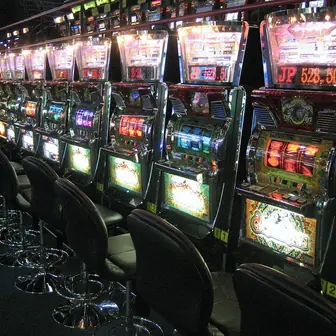
Nevada requires gaming devices to theoretically pay out a mathematically demonstrable percentage of all amounts wagered
Saturday. You set a time cap. You pick a budget. You sit at a low-limit table or open a slot on your phone. For a while, the room gets bright. You forget the week. You tip the dealer. You laugh once. Then you look at your stack again.
If gambling is a form of fun, can we put a fair “price tag” on that fun? In other words, how much value do you get, above what you expect to lose? This is the heart of consumer surplus in gambling. And yes, it is a real thing in many sessions—when you price your fun with care. For context on scale and trends, see the American Gaming Association’s State of the States report.
Consumer surplus is the gap between the value of the fun you feel and the money you expect to give up to get that fun. In plain words: if one hour at a table feels worth $10 to you, and your net cost is $7, your surplus is $3. If your net cost is $12, your surplus is -$2. It is a way to ask, “Was this time worth it for me?”
This is not a trick or a hack. We pay for joy all the time. A movie ticket. A stadium seat. A theme park pass. Gambling sits in that same space, but with risk. That risk has a price built in. Your job, as a smart player, is to know it before you start.
Every game has a built-in edge for the house. Over many plays, that edge wins. In the short run, luck can swing you up or down. That swing (variance) is the noise. The edge is the signal. If you know the signal, you can plan your time and your spend. A good short read on the term is here: house edge.
A quick way to model your cost per hour is simple math. Expected loss per hour ≈ average bet × decisions per hour × house edge. Then you can subtract any comps or promos (a cash-like rebate) to get your net cost.
That net cost is your true “ticket price” for one hour of play. If your felt value is higher, you have surplus. If not, you don’t. So the goal is not to beat the edge every time. It is to buy joy at a fair rate, and to stop when the price gets too high.
Let’s use common game settings and public numbers. Rates for game speed and house edges come from industry norms and open sources like the UNLV Center for Gaming Research. This is a demo, not advice. Your pace and bets will differ.
| Blackjack (basic strategy) | $10 | 70 | ~0.6% edge | $4.20 | $1.26 (≈30% of theo) | $2.94 | $6.00 | $3.06 |
| European roulette | $10 | 45 | 2.7% edge | $12.15 | $3.65 (≈30% of theo) | $8.50 | $8.00 | -$0.50 |
| Video slots (RTP ~96%, high variance) | $0.60/spin | 500 | 4% edge | $12.00 | $4.20 (≈35% of theo) | $7.80 | $10.00 | $2.20 |
| Sports bet at -110 | $50 | 2 | ~4.5% hold | $4.50 | $0.45 (≈10% of theo) | $4.05 | $7.00 | $2.95 |
Notes and method: EL/hour = avg bet × pace × edge. For -110, a fair 50/50 line has EV ≈ -$5 per $110 risked (~4.5%). Comps vary. Tables often comp ~20–30% of “theo.” Slots can be higher. Sports can be much lower. Treat comps as a small rebate, not free money. For a deep dive into how comps work, see casino comps explained.
What jumps out? Pace matters a lot. A fast slot can cost you more per hour than a slow table, even at a small bet. Blackjack with basic play and a full table can be quite cheap per hour. Roulette can turn negative surplus if your felt value is low or you bet too fast.
The optimizer. She plays $10 blackjack, knows basic moves, and sits at a full table. She chats. She tips. She slows down when she is tired. Her net cost per hour is small. Her joy per hour is steady. She has a positive surplus most nights.
The jackpot hunter. He plays $1 spins on a high-vol slot. He loves the rare big hit. He knows most spins lose a bit. He stays cool during dry spells. On a good night, his joy soars. On a cold run, his fun drops. His surplus swings a lot. This is the nature of high variance. It can feel great. It can also drain fast.
The match-day fan. They place a small bet on a game they watch anyway. -110 lines. Two bets per hour at most. They cheer more. The room buzzes. Their loss rate is low, while the game adds to the night. Many fans see a clear surplus here, even if they lose in the long run.
Add: comps, free drinks, comfy chairs, music, clean restrooms, good dealers, and fast cashouts. These raise your felt value. Clear info on RTP and fair games also helps. Some markets publish more data than others. For a macro view, see the UK Gambling Commission industry statistics.
Eat: hidden costs. Fast game speed, ATM fees, slow withdrawals, high table mins on weekends, long lines, and poor air. Online, watch for bad terms: high wagering on bonuses, short timers, and loss of comps if you withdraw too soon. All of this cuts your surplus.
Taxes can also bite. In the U.S., wins are taxable, and rules on loss offsets are strict. Read the IRS page: IRS Topic No. 419 Gambling Income and Losses. Your “true” net cost can be higher than it looks on the felt.
We tend to overrate small odds of a big prize and underrate many small losses. This is a core idea in Kahneman and Tversky’s prospect theory. In play, that means a rare jackpot can pull you in, while drip losses fade in the mind. When this happens, pace and limit rules protect you.
Peer effects also matter. The cheer at the table. The sound of wins on a slot bank. Social proof can make you bet more and faster. Pauses help. Small breaks reset your plan and your joy.
If you like research on this, browse the Journal of Gambling Studies. A key theme: people value time and mood, not just cash. So measure “entertainment minutes,” not only balance swings.
Time is a real cost too. What is one hour worth to you? A good anchor is the American Time Use Survey, which shows how people spend their hours. Choose a number that feels fair for your life.
If you want a fair “price per hour,” choose places that state RTP, offer low-edge games, and keep bonus terms clear. Always read the fine print on wagering, max bet, and expiry. If you are in Norway, current casino kampanjer (Norwegian for casino promotions) can help you compare bonus value and rules in one spot. Look for simple terms and rewards that fit your usual pace, not the other way round.
If you feel loss of control, pause and reach out. A short, clear read is here: Harvard Health on gambling disorder. Help is real and near.
Small bets at a fast pace can cost more per hour than bigger bets at a slow pace. Example: $0.50 slots at 600 spins/hour with 4% edge → $12/hour EL. $10 blackjack at 50 hands/hour with 1% edge → $5/hour EL. Your fingers set that pace. Your budget thanks you when you slow down.
Is gambling ever rational as entertainment?
Yes—if you pre-price your fun (WTP/hour), keep your net cost/hour below it, and stop on time. That is a positive consumer surplus. If not, it is not worth it.
How do I estimate expected loss per hour fast?
Avg bet × decisions per hour × house edge. Then subtract comps or promos. That gives your net cost/hour.
Do comps really offset losses?
Partly. Treat comps as a small rebate on “theo.” They help, but do not chase them. If terms push you to play more or faster, your cost/hour can jump.
What about taxes on wins?
Know your local rules. In the U.S., see the IRS page on gambling income and losses: official IRS guidance. Taxes can change your real net.
Track your mood line by line. “Felt great for 40 minutes. Bored after that.” This small habit is gold. It tells you your personal “sweet spot” before fatigue. Plan to end near that mark. Leave with joy still in the tank.
Gambling should be fun and legal where you live. Set limits. Stick to them. If you need support or someone close to you does, visit the National Council on Problem Gambling. You can also learn safe-play tips at the Responsible Gambling Council. You are not alone.
Think of each hour like a ticket. The expected loss is the price. Comps are a small coupon. Your joy is the show. If the show is worth more than the ticket, you have surplus. If not, save your time and cash for a better show. Simple as that.
Educational use only. No guarantees of profit. Follow local laws. 18+/21+ as required. Play safe.
Nevada requires gaming devices to theoretically pay out a mathematically demonstrable percentage of all amounts wagered
Colorado’s sports-betting statute does not wait for the fiscal year to close before it moves money around.
Colorado is phasing out the deduction that lets sportsbooks subtract the cost of free bets from the revenue they report to the state.